
Lice might sound like a problem only humans deal with, but dogs can get them too. While lice infestations in dogs are not very common, they can cause severe itching, discomfort, and skin issues if left untreated.
The good news? With the right care, hygiene, and treatment, lice can be eliminated quickly and your dog can get back to being happy and healthy.
In this guide, we’ll cover how dogs get lice, the signs to watch for, and the best ways to treat and prevent lice infestations.
What Are Lice in Dogs?
Lice are tiny parasites that live on a dog’s skin and coat. They survive by feeding on skin debris or blood depending on the species. These parasites spend their entire life cycle on the dog’s body, making direct contact the main way they spread.

Another important fact:
Dog lice cannot spread to humans. They are species-specific parasites!!
Symptoms of Lice in Dogs
Lice are small but the discomfort they cause is very noticeable. Pet parents should watch for the following signs:
1. Constant Scratching
Dogs with lice feel extremely itchy and may scratch, bite, or rub themselves frequently.

2. Dry, Flaky Skin
You may notice dandruff-like flakes on your dog’s coat.
3. Hair Loss
Hair loss often appears around the ears, neck, shoulders, groin, and tail base.
4. Visible Lice or Eggs
Adult lice appear as tiny slow-moving insects, while eggs (called nits) look like white dots stuck to hair shafts.
5. Restlessness and Skin Irritation
Dogs may become uncomfortable, develop red sores, or show signs of skin infection due to constant scratching.
How to Treat Lice in Dogs ?
1. Medicated Shampoos
Veterinary-approved shampoos can help remove adult lice from your dog’s coat. However, these shampoos often do not kill the eggs, which means treatment must be repeated.
Bathing should usually be repeated every 7 to 10 days depending on veterinary advice.
2. Spot-On or Topical Treatments
Veterinarians commonly recommend parasite treatments containing ingredients like:
1. Fipronil
2. Imidacloprid
3. Selamectin
4. Isoxazolines
These products kill lice and help prevent reinfestation.
Always consult a vet before applying any medication to your dog.
3. Regular Combing
Using a fine lice comb helps remove both adult lice and eggs from the fur. This is especially helpful for long-haired breeds.

4. Clean Your Dog’s Environment
Even if you treat your dog, lice eggs may still survive in the environment.
Make sure to:
A. Wash dog bedding in hot water
B. Disinfect grooming tools
C. Clean carpets, crates, and furniture
D. Wash blankets and cushions regularly
E. Eggs can survive for 2 to 3 weeks outside the dog, so proper cleaning is essential.
Why Clean Bedding Matters During Lice Treatment
Your dog’s bed can easily trap lice eggs, which can cause reinfestation.
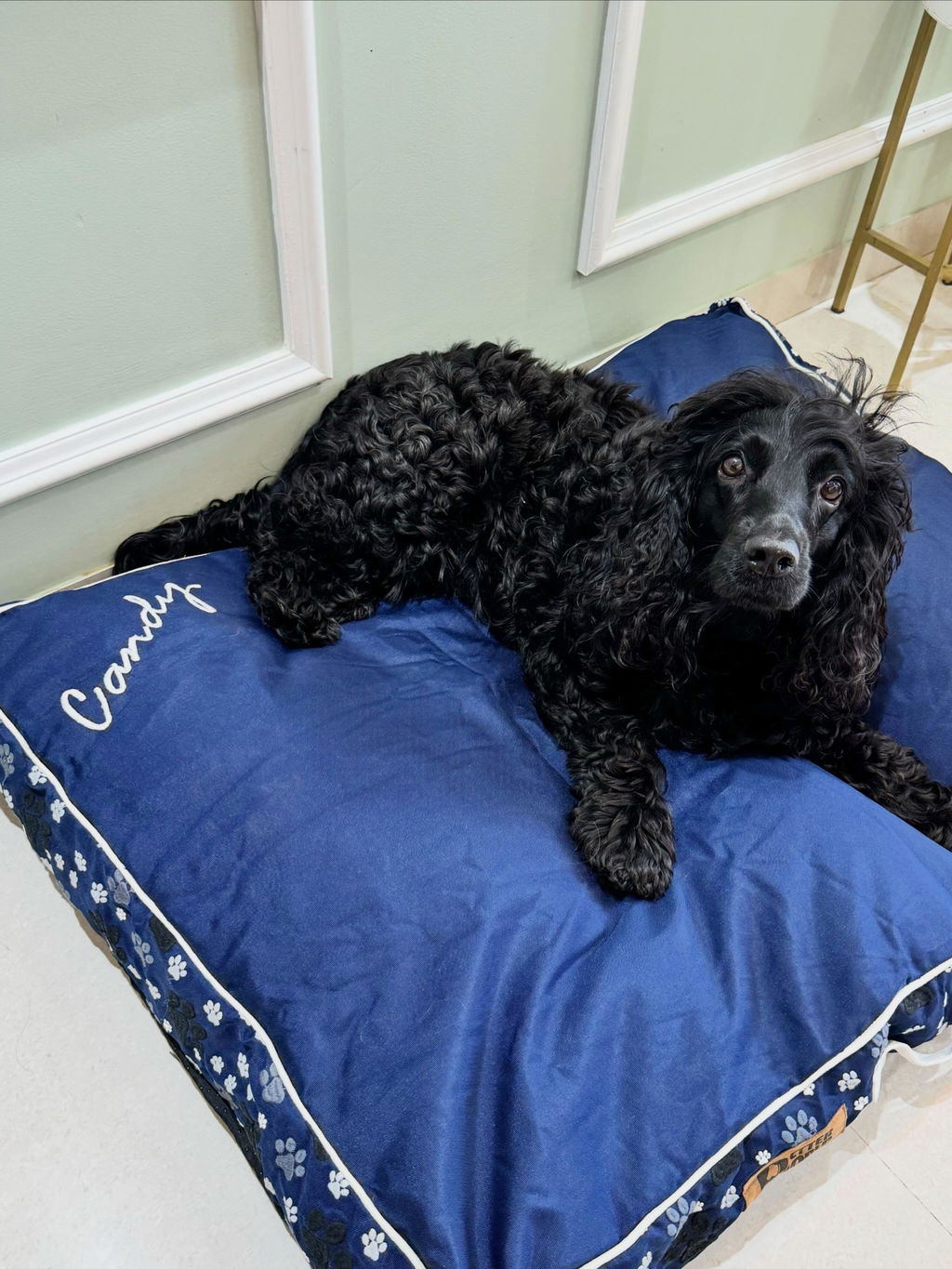
Using washable, removable dog bed covers makes hygiene much easier during parasite treatment.
For example, beds with removable covers and waterproof liners allow pet parents to wash covers frequently while keeping the mattress protected.
Explore hygienic bedding options here:
Petter World Orthopedic Dog Beds

Petter World Replacement Bed Covers

These are designed to be durable, washable, and hygienic, making them ideal for dogs recovering from skin conditions.
When to See a Vet ?
If your dog shows symptoms like:
1. Excessive itching
2. Hair loss
3.Visible parasites
4. Skin infections
Consult a veterinarian immediately. Early treatment prevents complications and speeds recovery.
Lice infestations in dogs may sound alarming, but with the right treatment and hygiene practices, they can be managed effectively.
Regular grooming, clean bedding, and early detection are the keys to keeping your dog parasite-free.
Providing your dog with clean, washable sleeping areas and proper parasite care ensures they stay comfortable, healthy, and itch-free.