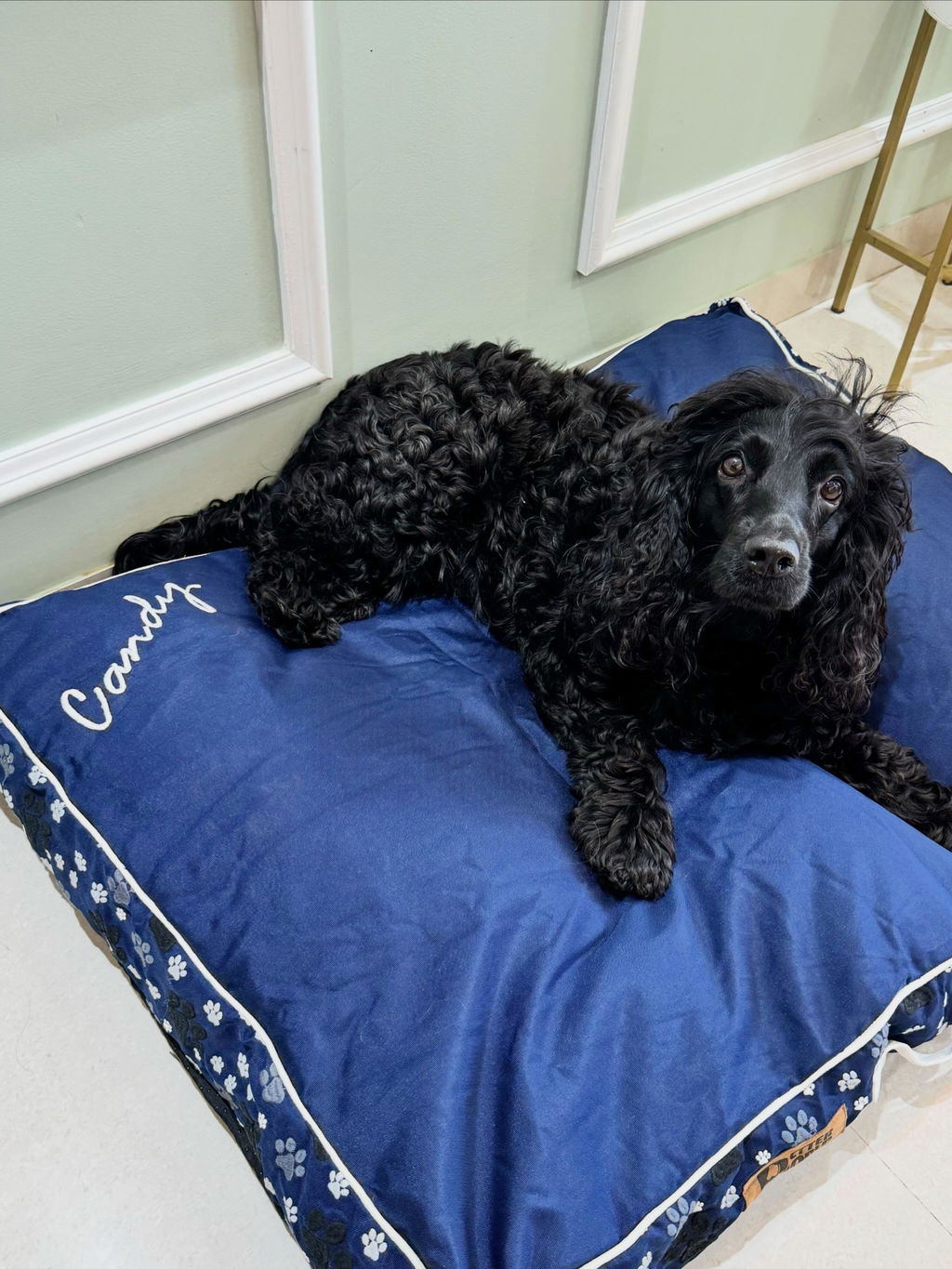

You bought a soft, expensive dog bed with high hopes. Maybe it looked perfect in the pictures. Maybe your dog even sniffed it excitedly when it arrived. But instead of sleeping on it, your dog chooses the cold floor, the tiles near the bathroom or even under the dining table!
If this sounds familiar, you are NOT alone.
Dogs are incredibly instinctive animals. Where they sleep depends on comfort, temperature, anxiety levels, routine and even emotional attachment. Understanding your dog’s sleeping behavior can completely change the way you choose beds, travel mats or even resting spaces for them.
Dogs Don’t Choose Beds the Way Humans Do!

Humans often buy beds based on looks. Dogs choose sleeping spots based on feeling.
A bed may look luxurious to us, but if it traps heat, smells unfamiliar, feels unstable or sits in a stressful corner of the house, many dogs will avoid it completely.
This is why you often see dogs sleeping on cool tiles, near doors, under tables, beside their owners or on sofas.
Dogs naturally seek spaces where they feel:
- physically comfortable
- emotionally safe
- temperature regulated
- close to familiar smells
That “random” sleeping spot your dog chooses usually makes perfect sense to them.
Your Dog Might Be Feeling Too Hot
One of the biggest reasons dogs avoid beds - especially in India, is heat.
Many dog beds are designed with thick cushioning and fluffy materials that trap body heat. While they may feel cozy during winters, they can become uncomfortable during warmer months.
Dogs regulate body temperature differently than humans. If their sleeping area feels warm or suffocating, they will immediately look for a cooler surface.
This is why breathable dog beds, cooling dog beds, elevated dog loungers, and lightweight travel mats are becoming increasingly popular among modern pet parents.
What can I do to make my dog feel comfortable in his own bed?
One thing that is understood :
Dogs don’t always hate beds - they often hate the heat trapped inside traditional beds.
This is exactly why modern cooling dog beds are becoming one of the biggest pet comfort trends right now, especially in countries with intense summers like India.

One brand that has been focusing heavily on this problem is Petter World, particularly with their cooling orthopedic beds and summer mats designed specifically for Indian weather conditions.
Unlike regular foam beds that can become warm after prolonged use, the cooling memory foam in these beds is designed to spread heat across a larger surface area, improve airflow through the foam structure and reduce heat buildup during naps and nighttime sleep.
This becomes especially important for thick-coated dogs, senior dogs, large breeds, dogs with arthritis and dogs who constantly shift to tiles or cooler surfaces.
Their cooling mats are designed to reduce body heat by up to 4°C using breathable icy cotton fabric and airflow-focused construction.
So if your dog keeps abandoning their current bed for tiles, marble floors, the issue may not be “bed training” at all.
It might just mean your dog is looking for a sleeping space that finally feels right.
Where They Feel Emotionally Safe!
Dogs are deeply emotional creatures.
Many dogs avoid isolated sleeping spaces because they prefer staying close to their humans. This instinct comes from pack behavior and emotional bonding.
That is why dogs commonly sleep beside your bed, outside bathroom doors or even near family members. A bed placed in a lonely corner may remain untouched, no matter how expensive it is.
Modern pet parenting has also increased separation anxiety in dogs.
This is one reason why Anti Anxiety Beds works the best. They are best for dogs which go through anxiety when separated from their owners and give them a sense of security.
Dogs Also Need Different Beds for Different Situations
This is something many pet parents overlook.
For example:
- An anti-anxiety bed may work when they are alone.
- A cooling mat may work during afternoons.
- A travel bed may work best inside cars.
- An orthopedic bed may help older dogs.

Modern dog parents are increasingly searching for the best dog travel bed for cars, dog bed for road trips, washable dog bed India, cooling dog bed for summer because pet comfort is no longer just about “one bed fits all.”
If your dog refuses to sleep on their bed, they are not being difficult.
They are communicating comfort preferences in the only way they know how.
Instead of forcing your dog to “use the bed,” try observing where they naturally rest, what surfaces they prefer, how they react to temperature, whether they seek closeness or isolation and how they behave during naps and travel
The best dog beds today are not just soft, they are designed around how dogs actually behave.